
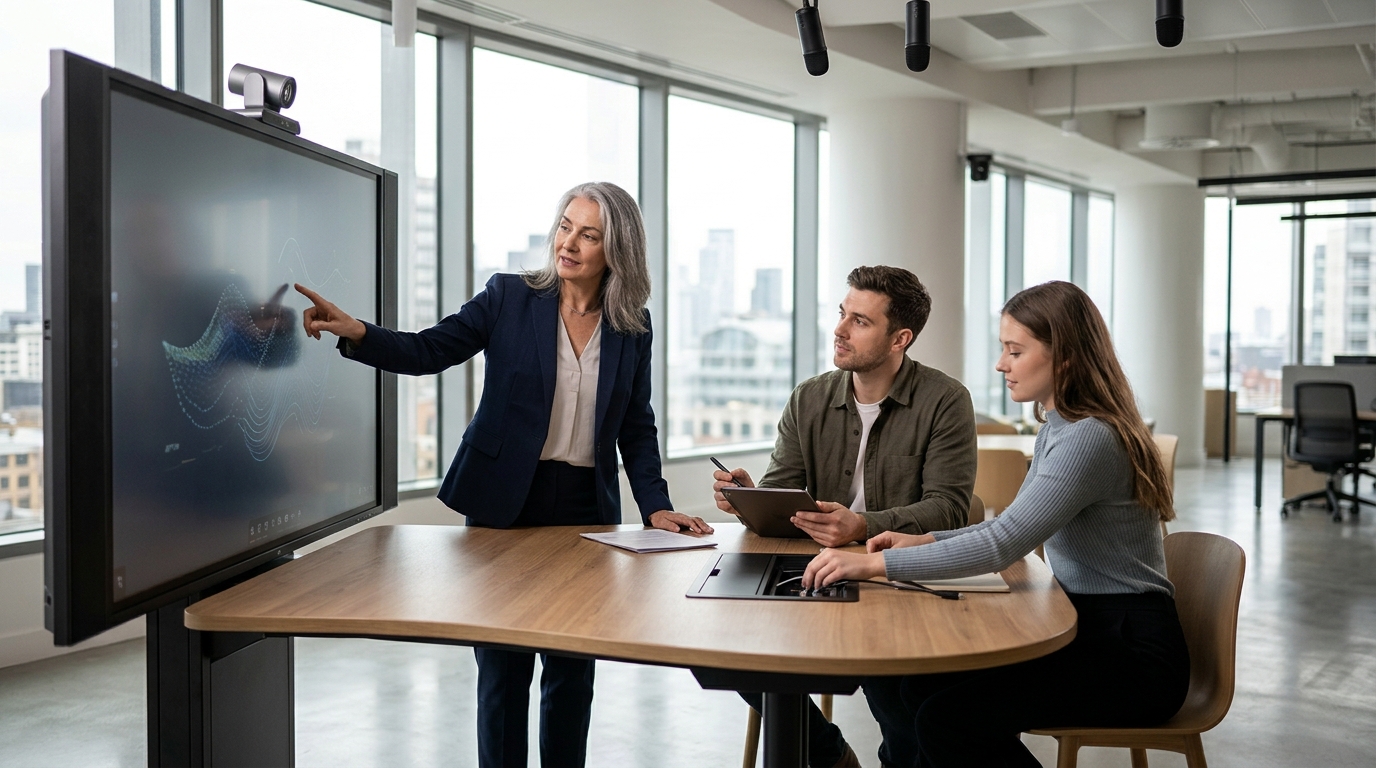
1. Unified Audio-Visual and Collaboration Systems
Seamless connectivity is the foundation of modern hybrid work. Upgrading to a unified audio-visual system ensures that in-person and remote participants experience equal quality during meetings. This involves installing high-fidelity microphones, cameras, and displays that integrate directly with major conferencing platforms. Such systems reduce the friction of joining calls and support a more inclusive meeting culture across distributed teams.
2. Intelligent Access Control and Security
Keyless entry enhances both security and operational efficiency. Replacing traditional physical keys with digital access control systems allows for real-time management of who can enter specific zones. This technology supports flexible working patterns by enabling dynamic access rights that adjust based on an employee's role or schedule. It also provides a valuable audit trail for security and compliance purposes.
3. Advanced Environmental and Lighting Controls
Automated environmental systems directly impact employee wellbeing and energy efficiency. Integrating smart lighting and climate control allows the office to respond to occupancy and natural light levels. These systems can adjust temperature and illumination to create optimal conditions for focus and comfort. This not only improves the daily experience for staff but also contributes to the organization's sustainability goals by reducing energy waste.
4. High-Performance Network Infrastructure
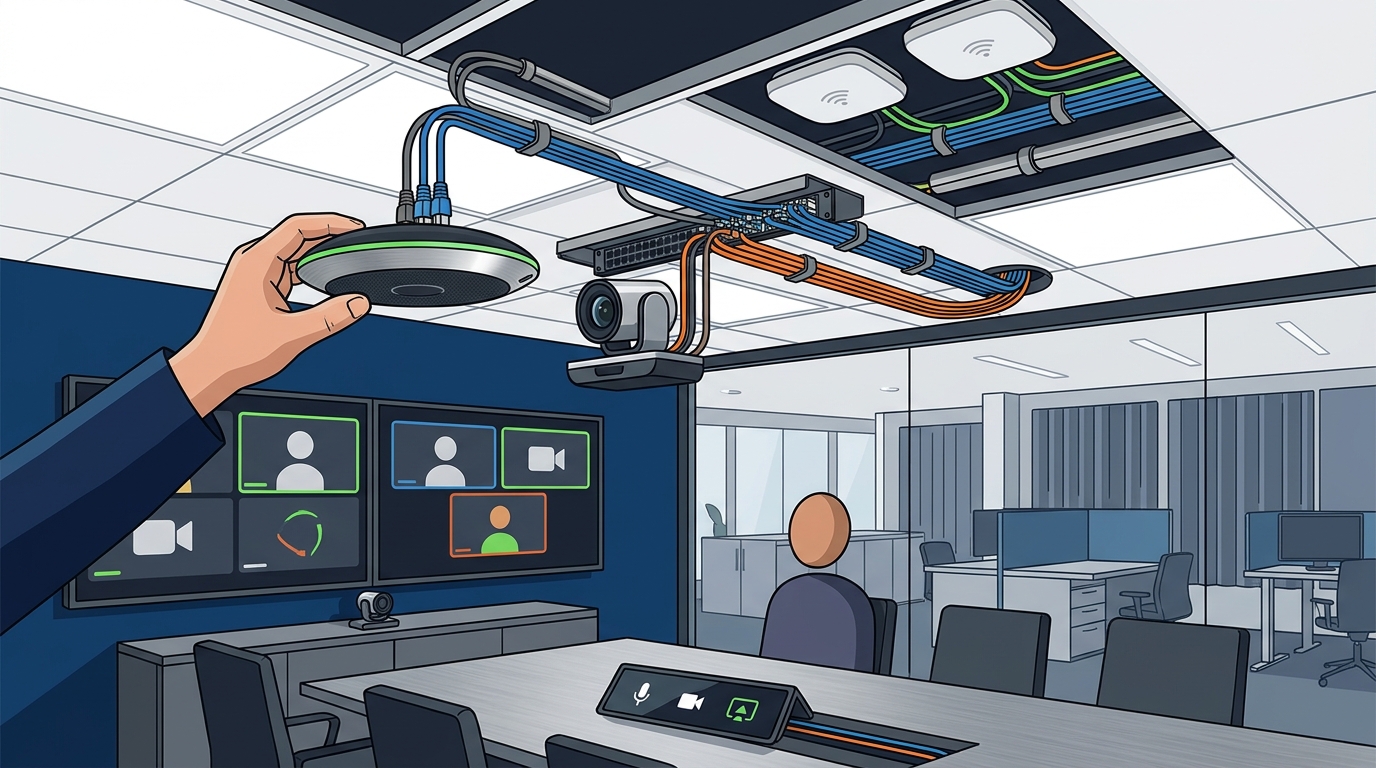
Robust and secure connectivity is non-negotiable for a digital-first workplace. Upgrading the network backbone to support high-bandwidth applications and secure data transmission is critical. This includes deploying Wi-Fi 6 or 6E technology to handle dense environments with many connected devices. A reliable network ensures that collaboration tools, cloud applications, and video conferencing run without interruption.
5. Digital Signage and Wayfinding Solutions
Dynamic digital displays guide employees and visitors through the space. Implementing digital signage for wayfinding, announcements, and cultural messaging keeps the office environment current and engaging. These screens can be updated remotely, allowing the organization to communicate important information instantly. They also serve as a platform for reinforcing brand identity and celebrating team achievements.
6. Integrated Workplace Management Software
Centralized software platforms streamline the management of the physical workspace. Workplace management systems allow employees to book desks, meeting rooms, and other amenities through a single interface. This data provides valuable insights into space utilization, helping organizations make informed decisions about future layout changes. It supports a more efficient and responsive approach to managing the office environment.
7. Sustainable and Energy-Efficient Technology
Choosing energy-efficient technology supports long-term sustainability goals. Selecting hardware and systems with high energy efficiency ratings reduces the overall environmental impact of the office. This includes using LED lighting, energy-efficient HVAC systems, and smart power management for workstations. These upgrades contribute to a lower carbon footprint and can lead to significant cost savings over time.
Choosing the Right Technology Upgrades
When selecting technology upgrades for an existing office, prioritize solutions that directly address the needs of your workforce and support your strategic goals. Focus on systems that enhance collaboration, improve wellbeing, and increase operational efficiency. A phased approach, guided by a clear workplace strategy, ensures that each upgrade delivers tangible value and integrates smoothly into the existing environment.
Frequently Asked Questions
How long does it take to implement technology upgrades in an existing office?
The timeline for implementing technology upgrades varies depending on the scope and complexity of the project. A focused upgrade of audio-visual systems might take a few weeks, while a comprehensive overhaul involving network, access control, and environmental systems could take several months. A well-planned project with a clear strategy can minimize disruption to daily operations.
Can technology upgrades be done without relocating the office?
Yes, technology upgrades can be implemented in an existing office without relocation. Spectrum Workplace specializes in transforming current spaces through strategic design and technical coordination. This approach allows organizations to modernize their workplace while maintaining their current location and minimizing the disruption associated with a move.
What is the most important technology upgrade for a hybrid workplace?
For a hybrid workplace, unified audio-visual and collaboration systems are often the most critical upgrade. These systems ensure that remote and in-person participants have an equal and high-quality experience during meetings. This is essential for fostering inclusion and effective communication in a distributed work environment.
How can technology upgrades support sustainability goals?
Technology upgrades can support sustainability goals by improving energy efficiency and reducing waste. Smart lighting and climate control systems optimize energy use based on occupancy, while energy-efficient hardware reduces the overall carbon footprint. These upgrades contribute to a more sustainable and environmentally responsible workplace.
What role does data play in workplace technology upgrades?
Data plays a crucial role in guiding workplace technology upgrades. Workplace management software and sensor data provide insights into space utilization, employee preferences, and operational efficiency. This information helps organizations make evidence-based decisions about which technologies to implement and how to configure them for maximum impact.
How does Spectrum Workplace approach technology integration in office projects?
Spectrum Workplace integrates technology as a core component of the workplace strategy, not as an afterthought. Our technical coordination and engineering teams work closely with design and construction to ensure that all systems are seamlessly integrated into the architectural fabric. This holistic approach ensures that technology supports the overall workplace experience and strategic objectives. Learn more: Contact Spectrum Discuss Your.