

Regional Price Differences
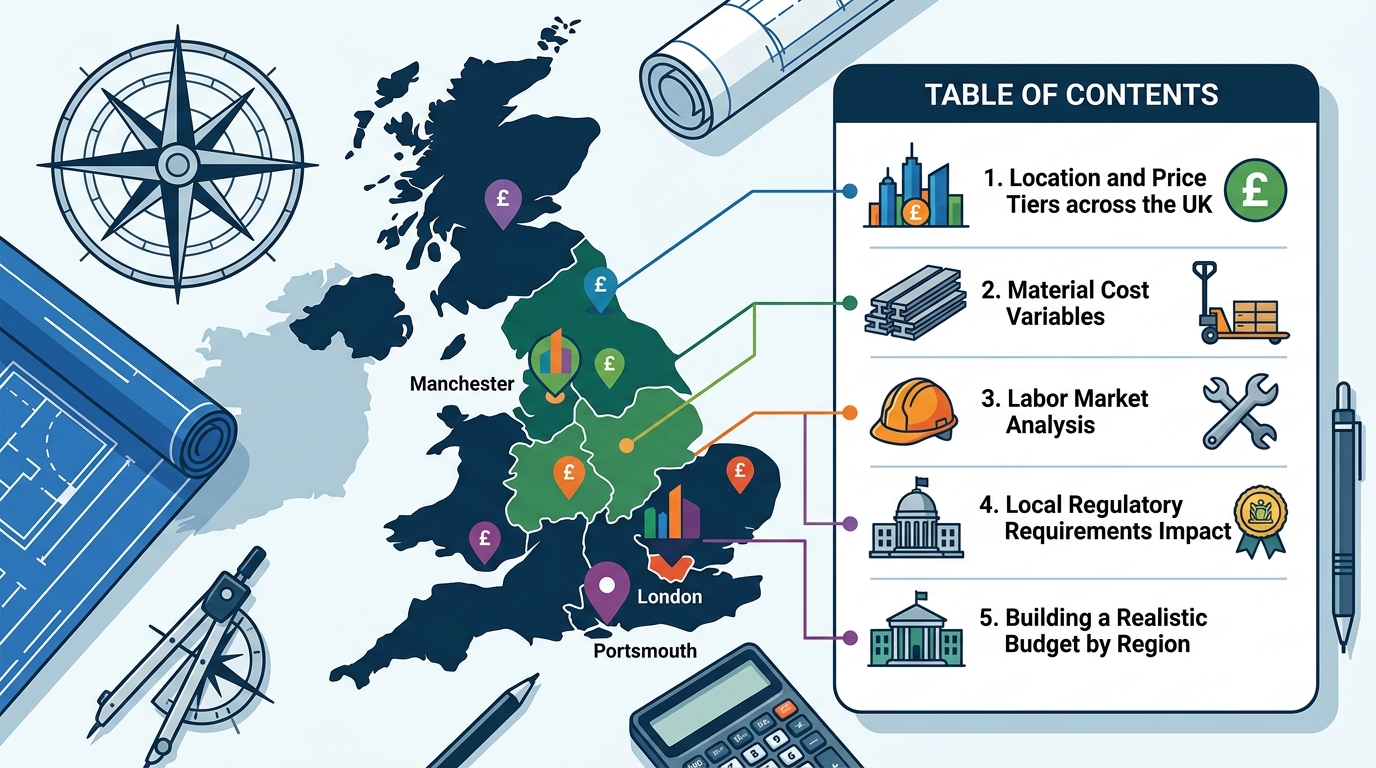
Location remains the single most significant variable in UK office refurbishment pricing. Labour rates, material logistics, and local regulatory requirements create distinct price tiers across the country. Understanding these regional differences is the first step in building a realistic budget for your project.
London and the South East
London commands the highest premiums in the UK market. Due to high demand for skilled trades and complex building regulations, costs in the capital are significantly higher than the national average. A standard Cat B fit-out in Central London can easily reach the upper end of the market scale. Organisations in this region must account for higher labour costs and potential logistical challenges when planning their projects. according to Energy efficient commercial
The North and Midlands
Scotland and Wales
While generally more affordable than London, costs in Scotland and Wales can vary significantly based on the specific city and the condition of the building. Remote locations may incur additional transport costs for materials and specialist trades. It is essential to factor in these logistical variables when comparing quotes from different regions.
Cat A vs Cat B Costs
Understanding the distinction between Cat A and Cat B fit-outs is critical for accurate budgeting. These terms define the level of finish and the scope of work required to make a space operational.
Cat A Fit-Out Costs
Cat A fit-out is the base level of finish, typically provided by a landlord. It includes a suspended ceiling, basic lighting, carpet, and a raised floor. The cost for a Cat A fit-out generally ranges from £30 to £70 per square foot. This level of finish provides a blank canvas for tenants to add their own branding and furniture.
Cat B Fit-Out Costs
| Fit-Out Type | Typical Cost Range (per sq ft) | Inclusions |
|---|---|---|
| Cat A | £30 - £70 | Base ceiling, lighting, carpet, raised floor |
Key Cost Drivers
Beyond the base fit-out type, several specific factors can significantly impact your final cost per square foot. Identifying these drivers early in the process allows for better financial planning and risk mitigation.
Mechanical, Electrical, and Plumbing (MEP)
MEP works are often the most expensive and complex part of a refurbishment. Upgrading HVAC systems, data cabling, and power distribution can account for a large portion of the budget. The age and condition of the existing building infrastructure play a major role here. Older buildings may require extensive rewiring or system replacements, driving up costs.
Design Complexity and Materials
The choice of materials and the complexity of the design directly influence the budget. Bespoke joinery, high-end flooring, and specialist acoustic treatments all add to the cost per square foot. A simple, functional design will be significantly cheaper than a highly branded, multi-zoned environment with varied finishes.
Project Timeline and Disruption
Accelerated timelines often come with a premium. If you need the space operational quickly, you may have to pay for overtime or expedited material delivery. Additionally, working in a live environment can increase costs due to the need for phased delivery and additional safety measures.
Sustainability Impact
Sustainability is no longer just a marketing feature; it is a core driver of cost and value. Integrating sustainable practices into your refurbishment can have both short-term and long-term financial implications.
Energy Efficiency and Compliance
Meeting current energy efficiency standards is essential for compliance and reducing operational costs. Upgrading to LED lighting, high-efficiency HVAC systems, and smart building controls can increase initial costs but lead to significant savings over time. The Internal Revenue Service provides guidance on energy-efficient commercial buildings, highlighting the global trend towards incentivising sustainable upgrades.
Material Selection and Lifecycle
Choosing sustainable materials can impact the cost per square foot. While some eco-friendly materials may have a higher upfront cost, they often offer better durability and lower maintenance requirements. Considering the lifecycle cost of materials is a smarter approach than focusing solely on the initial price tag.
Budgeting Strategies
Effective budgeting requires more than just a number; it requires a structured approach to managing costs throughout the project lifecycle. Here are key strategies to keep your refurbishment on track.
Progressive Budgeting
Progressive budgeting involves validating costs at every design decision. Rather than presenting a final cost at the contract stage, this method ensures that the budget is refined as the design develops. This approach reduces risk and prevents unexpected cost surprises. It allows you to make informed decisions about where to spend and where to save.
Phased Delivery
Phasing your project can help manage cash flow and reduce disruption. By delivering the refurbishment in stages, you can keep part of the office operational while other areas are being worked on. This strategy can also allow you to spread the cost over a longer period, making it easier to manage within your annual budget.
Engaging the Right Partner
Choosing a partner who understands both the strategic and technical aspects of your project is crucial. A firm that offers integrated services, from strategy to delivery, can provide a more accurate and reliable budget. Workplace consultancy ensures that the budget is aligned with your business goals from the very beginning.
Key Takeaways
- London and the South East command the highest premiums due to labour and regulatory factors.
- MEP works are often the most expensive and complex part of a refurbishment project.
- Sustainability upgrades can increase initial costs but lead to long-term operational savings.
- Progressive budgeting reduces risk by validating costs at every design stage.
- Phased delivery can help manage cash flow and minimise business disruption.
- Engaging an integrated partner ensures alignment between strategy, design, and delivery.
Frequently Asked Questions
What is the average cost of a Cat B office fit-out in the UK?
How much does a Cat A fit-out cost per square foot?
A Cat A fit-out generally costs between £30 and £70 per square foot. This level of finish provides a base shell for the office, including basic ceilings, lighting, and flooring. It is often provided by the landlord as part of the lease agreement.
Why are London office refurbishments more expensive?
London office refurbishments are more expensive due to higher labour rates, complex building regulations, and logistical challenges. The demand for skilled trades in the capital is high, which drives up costs. Additionally, working in a dense urban environment can add to the complexity and time required for a project.
How can I reduce the cost of my office refurbishment?
You can reduce costs by choosing a simpler design, using standard materials, and phasing the project. Avoiding complex MEP upgrades where possible and working with an experienced partner who offers progressive budgeting can also help keep costs under control. Clear communication of your priorities is essential.
What is the impact of sustainability on refurbishment costs?
Sustainability can increase initial costs due to the price of high-efficiency systems and materials. However, these upgrades often lead to significant savings in energy and maintenance costs over the long term. They also enhance the value of the property and support your organisation's environmental goals.
How long does a typical office refurbishment take?
A typical office refurbishment can take anywhere from 8 to 16 weeks, depending on the size and complexity of the project. Larger projects or those involving significant MEP works may take longer. Phased delivery can extend the timeline but allows the business to continue operating.
Conclusion
Understanding the cost per square foot is just the beginning of a successful office refurbishment. By considering regional differences, fit-out types, and key cost drivers, you can build a budget that reflects your true needs. Spectrum Workplace offers a comprehensive approach to office refurbishment, ensuring that your project is not only on budget but also aligned with your strategic goals. Contact us today to discuss your project and receive a tailored budget estimate.